
Pandeiro Research
Johannes Nilles and João Araújo collaborate on researching notation systems for aurally transmitted music traditions in educational contexts. Their work focuses on how strategies for appropriate description of aurally passed-down rhythms and performance practices.
 Johannes NillesPesquisador · etnomusicologia
 João AraújoPesquisador · música e pandeiro
Summary of our Research
Notation systems for music traditions passed down aurally, using the Brazilian pandeiro as an example.
Our study examined the development of musical notation systems that can accurately capture musical traditions that are passed down aurally. We used the Brazilian pandeiro as an example. Our goal was to look for notation formats that may preserve these traditions’ intricacy while also making them accessible in analytical and educational purposes.
The creation of notation systems is more than just a technical endeavor; it is also a social justice effort that increases historically underrepresented musical traditions' recognition and value. The notation of pandeiro technique significantly expands its relevance in academic discourse, music education, and the global exchange of knowledge. The study’s methodology was built on a collaborative and reciprocal approach.
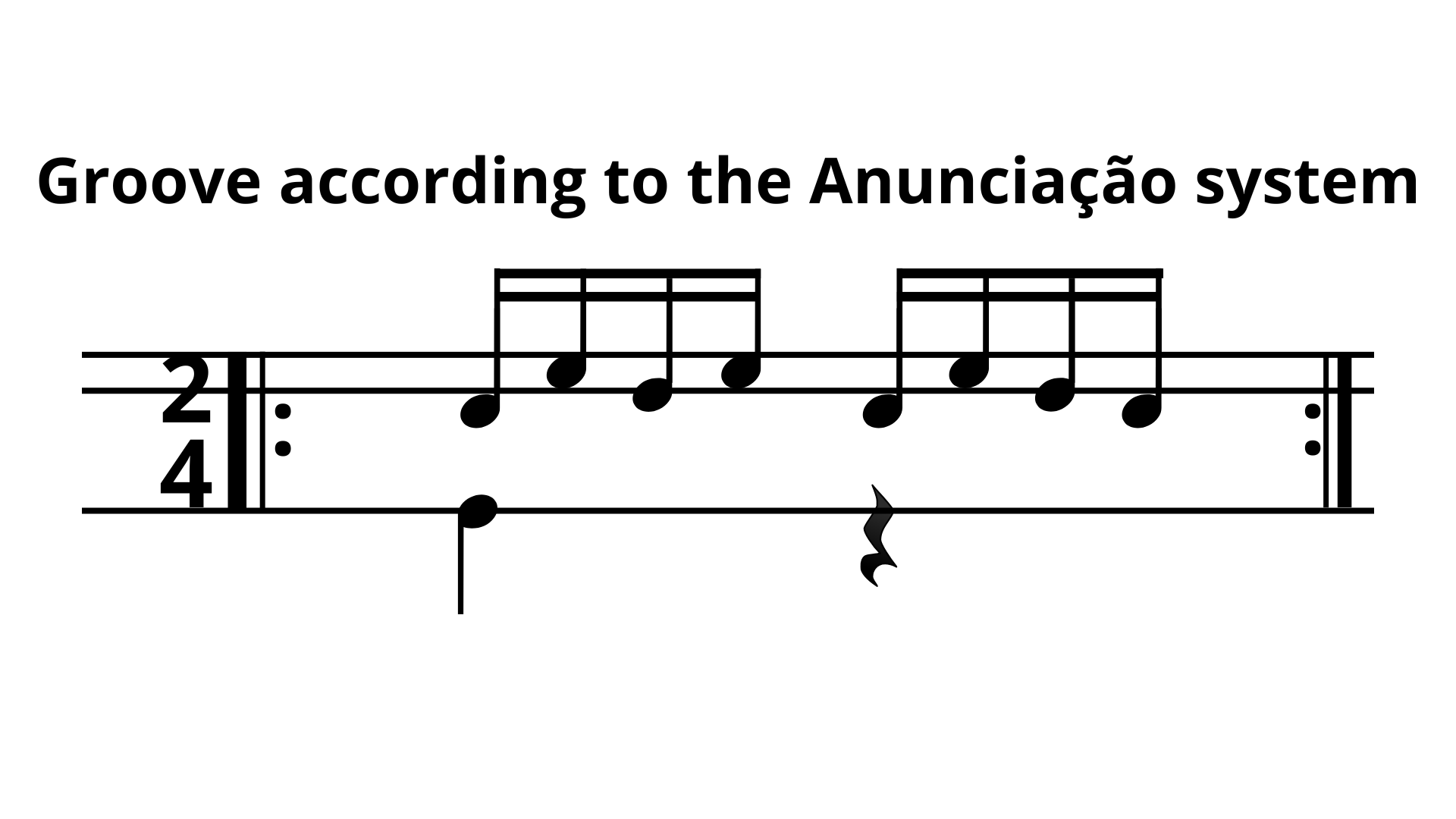
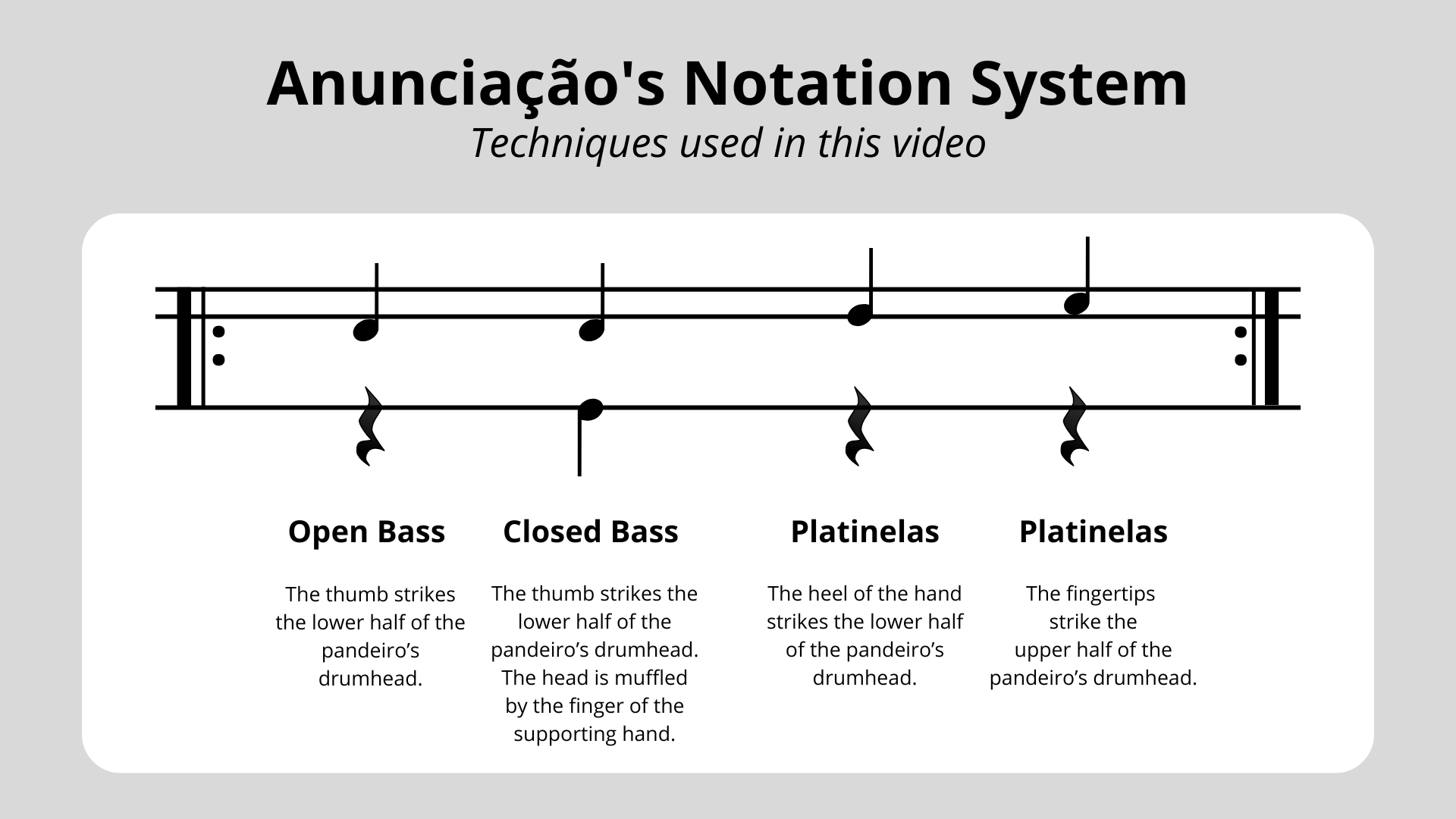
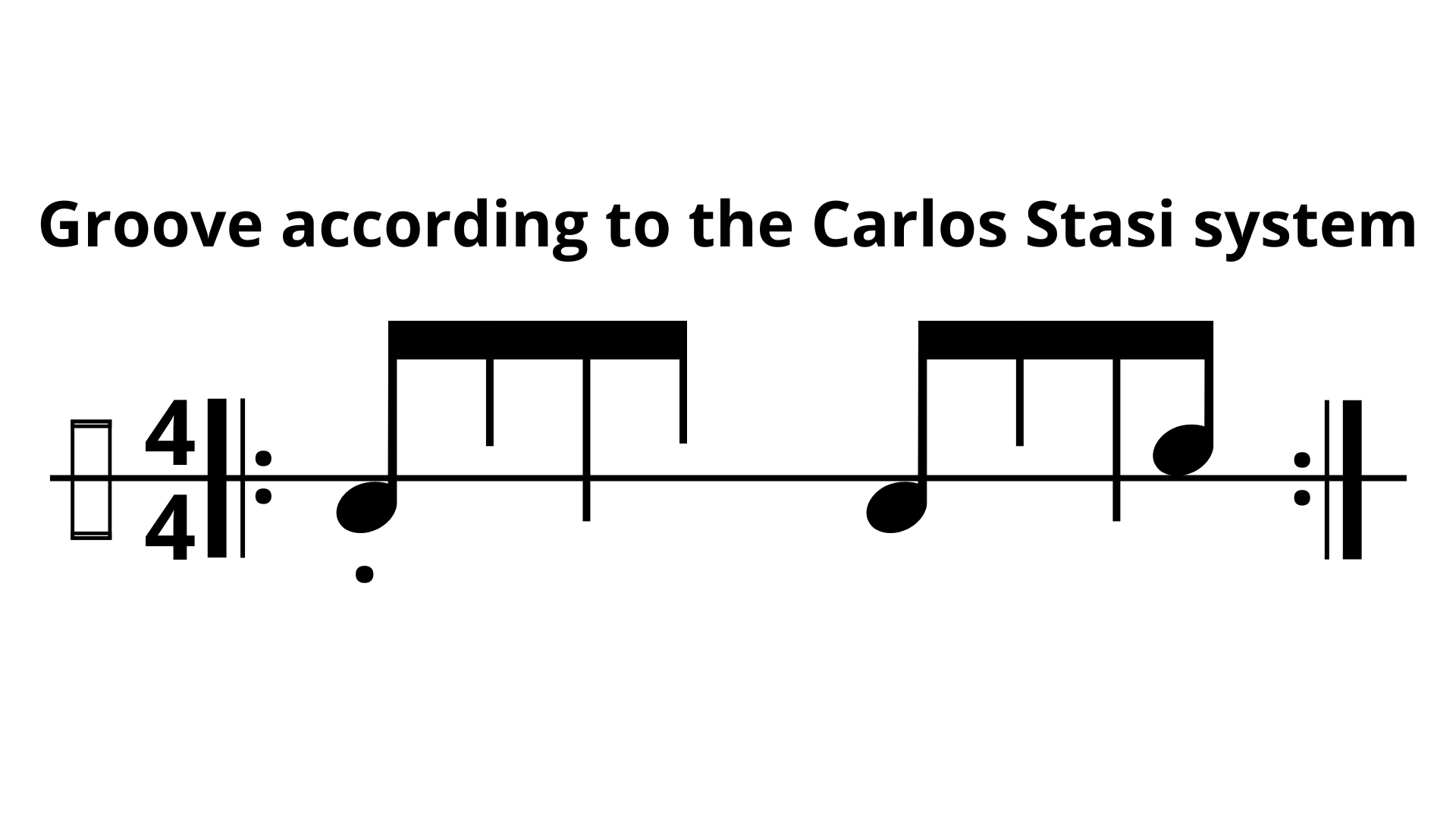
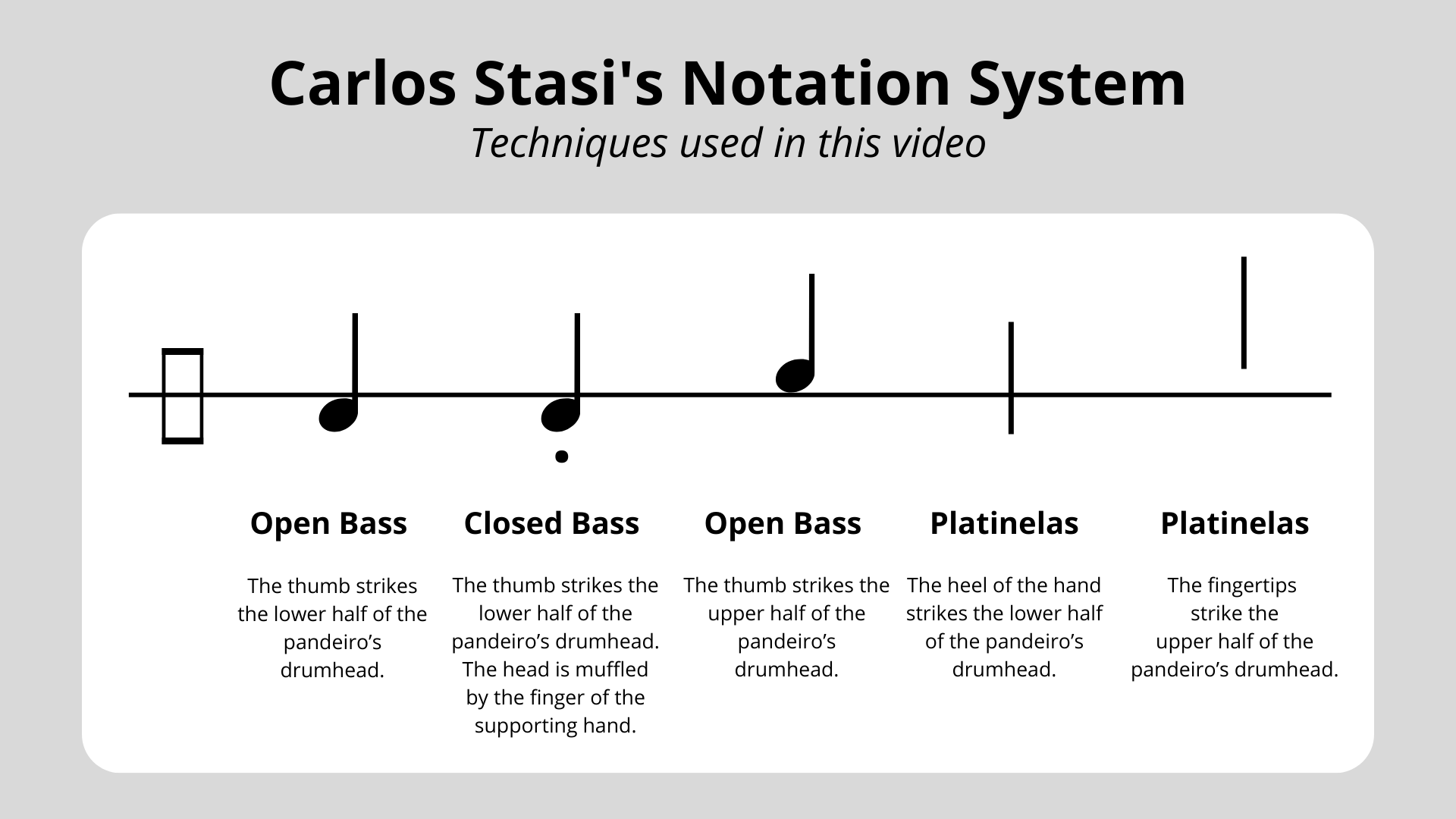
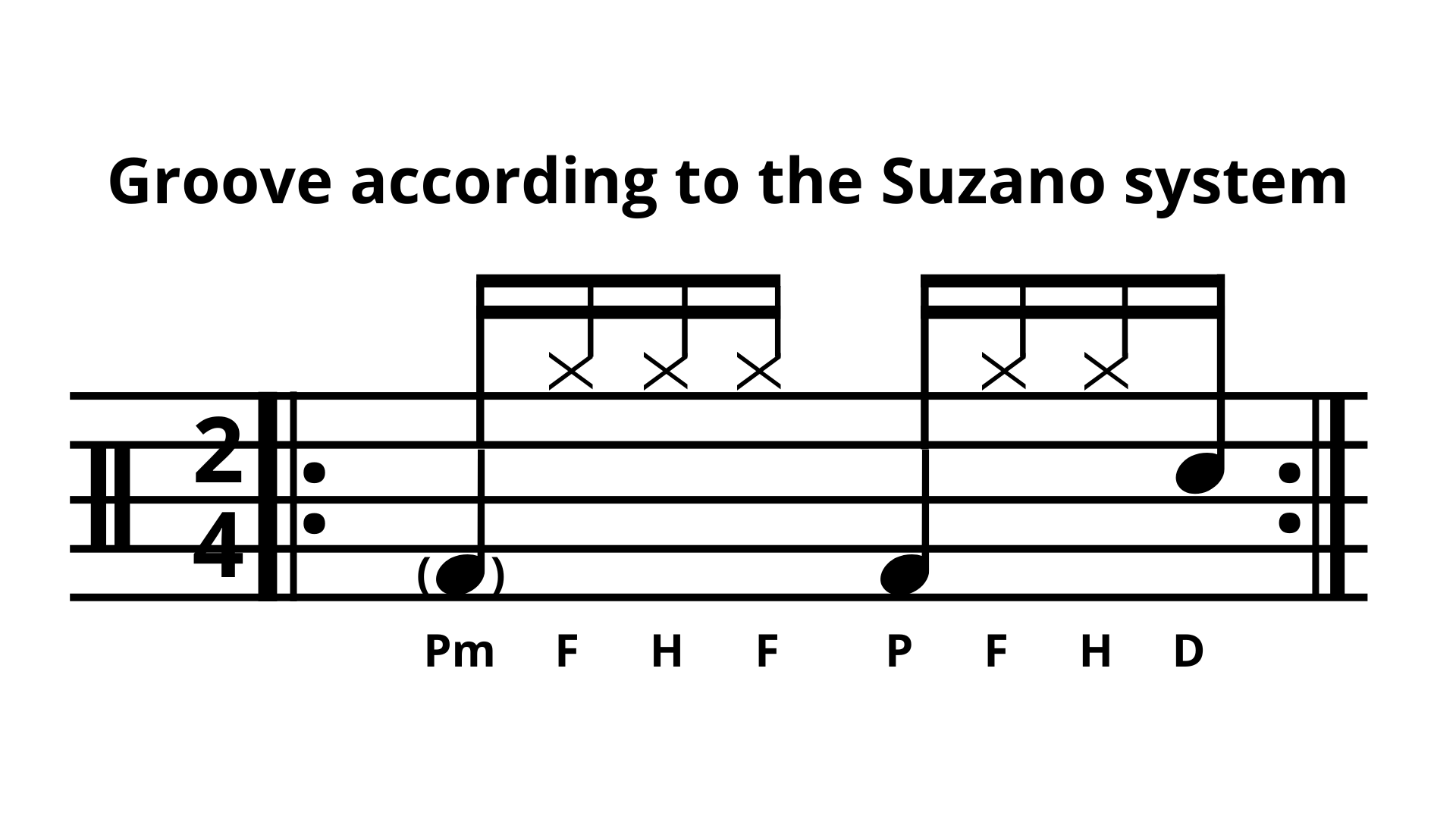
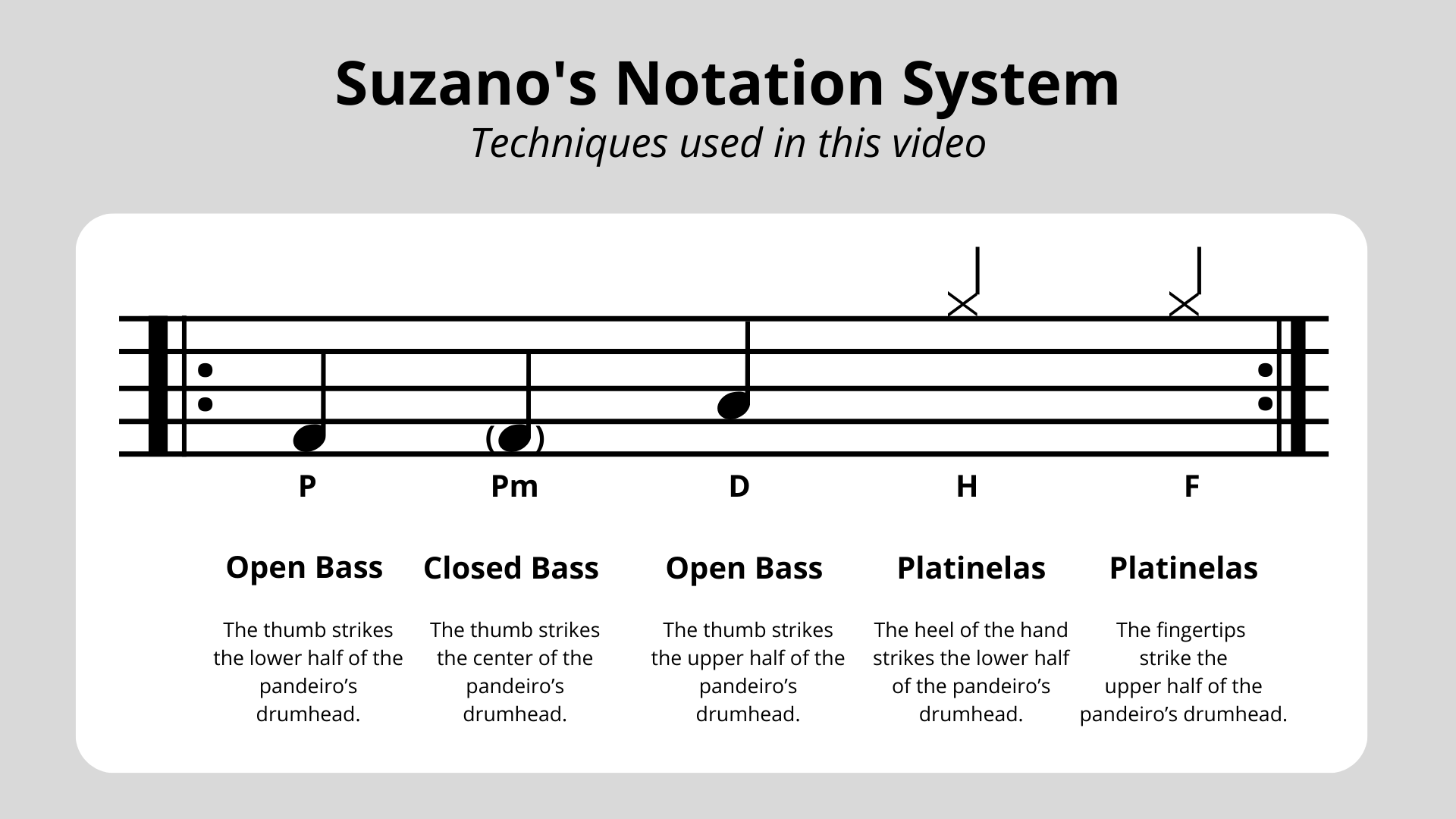
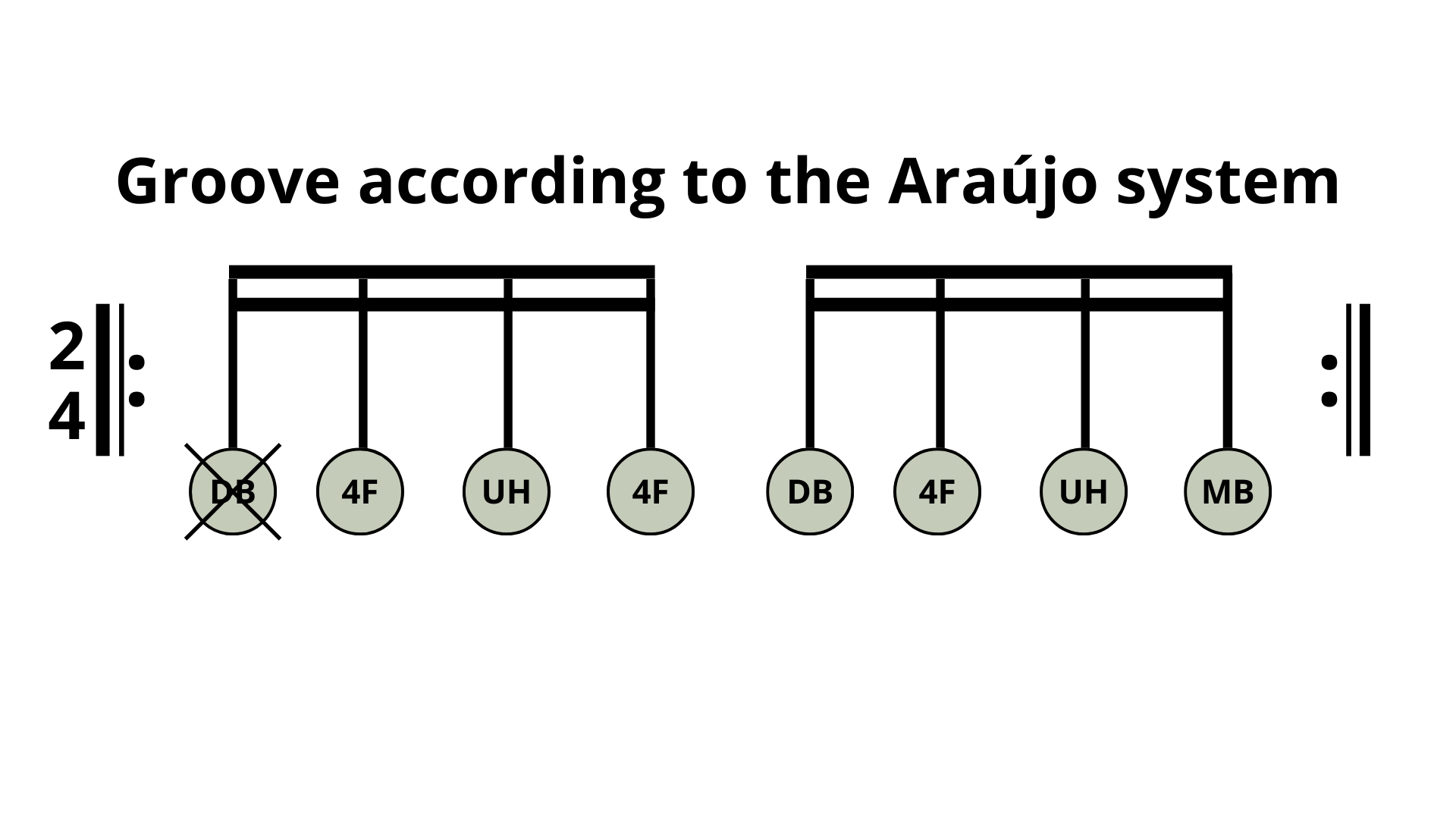
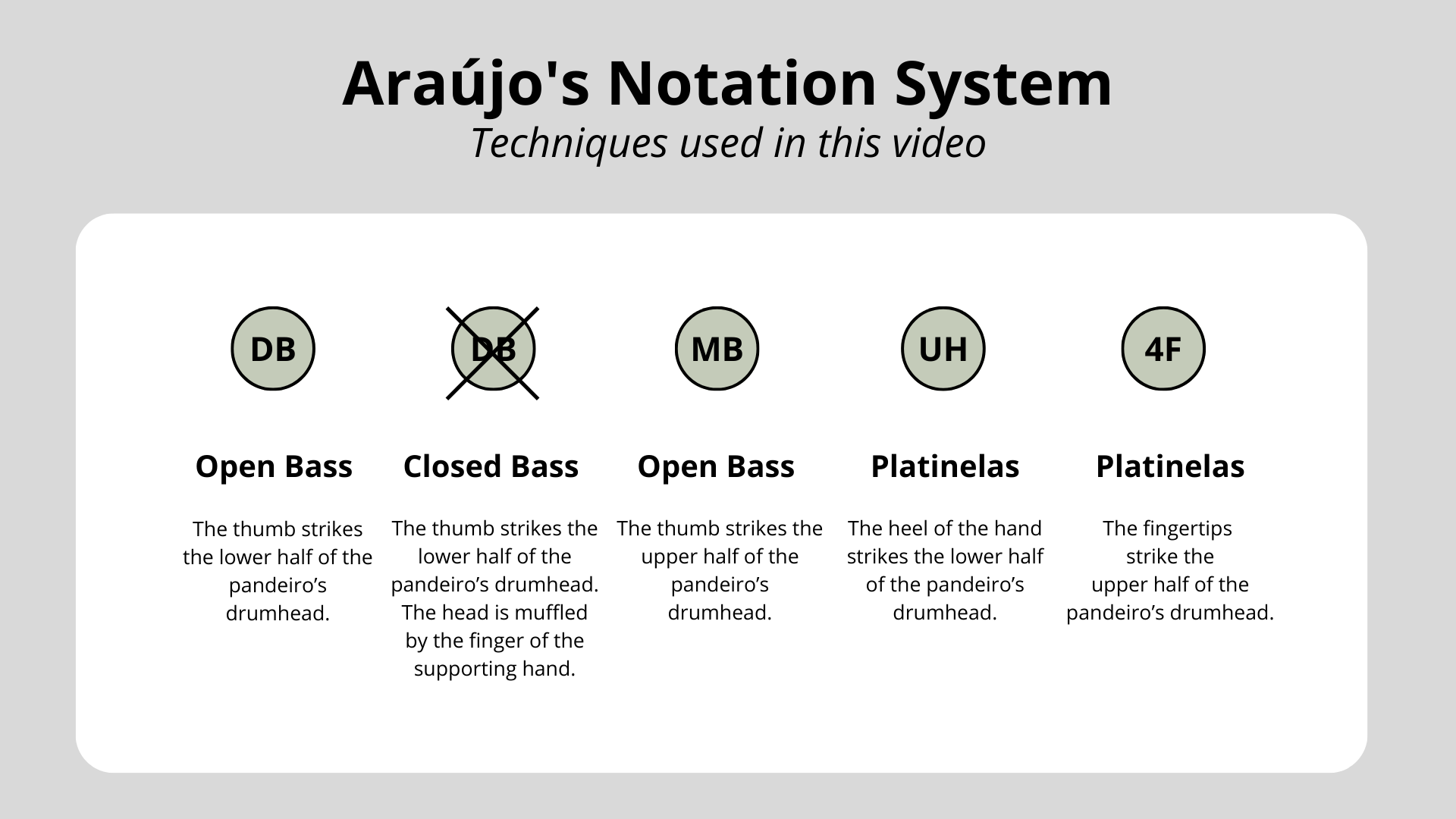
Four representative systems were analyzed: Carlos Stasi’s system, which uses a horizontal line to depict the symmetry of modern pandeiro technique; Luiz D’Anunciação’s system, which was the first to visually differentiate between the actions of both hands; Marcos Suzano’s notation, which brings pandeiro notation closer to drum-set notation; and João Araújo’s system, which incorporates articulations directly into the staff notation through abbreviations.
According to our analysis, each of these systems makes a distinct contribution to the recording and dissemination of customarily oral performance traditions while also creating new avenues for research and teaching. Lastly, we stress that the reciprocal research design provides a potential methodological model for future research on instruments and musical practices that are mainly passed down aurally, revealing constructive tensions and complementing viewpoints.
Where has our Research been presented so far?
On May 12, 2025, Nilles and Araújo discussed their research findings in the ethnomusicological research colloquium at the University of Music and Theatre Munich.
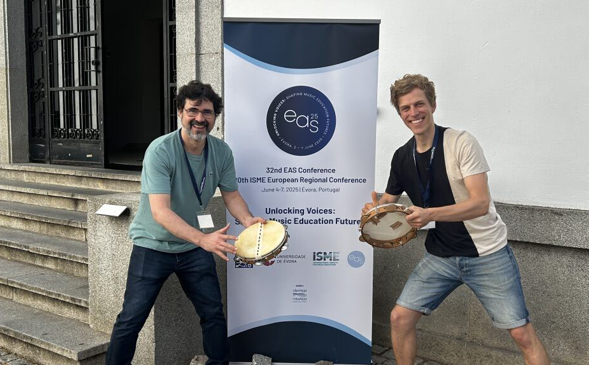
In June 2025, we participated in the 32nd EAS Conference & 10th ISME European Regional Conference, entitled “Unlocking Voices – Shaping Music Education Futures,” held from June 4 to 7 in Évora, Portugal. Within this conference, we presented the results of our joint research project dedicated to the development of notation systems for aurally transmitted musical traditions — with a particular focus on the Brazilian instrument pandeiro.
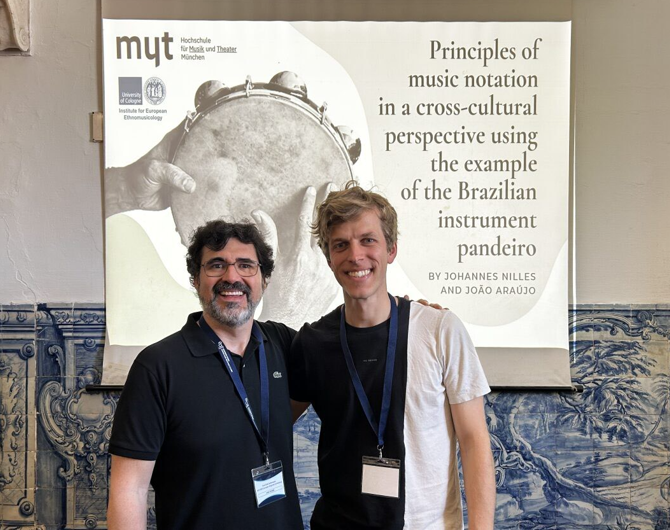
Our participation took place in two distinct formats. The first presentation was held on Thursday, June 5, 2025, within the Session Papers – Musical Voices, in Room 121, from 14:30 to 16:00, moderated by Thomas Geudens. On this occasion, we held the lecture entitled “Principles, Requirements and Limitations of Music Notation in a Cross-Cultural Perspective Using the Example of the Brazilian Instrument Pandeiro.” Following the presentation, a discussion and Q&A session provided the opportunity to deepen the debate and elucidate methodological and theoretical aspects of our research.
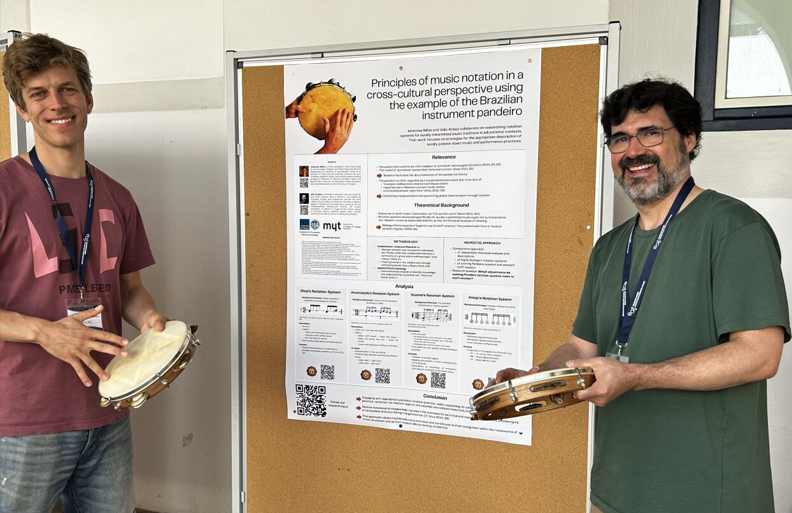
The second part of our participation took place on Saturday, June 7, 2025, during the Poster Session, where we presented the poster “Principles of Music Notation in a Cross-Cultural Perspective Using the Example of the Brazilian Instrument Pandeiro” . The poster was displayed at a stand dedicated to the exhibition and is currently available online at this website (see below). Throughout the session, we engaged directly with participants, discussing the objectives, foundations, and results of our research in detail.
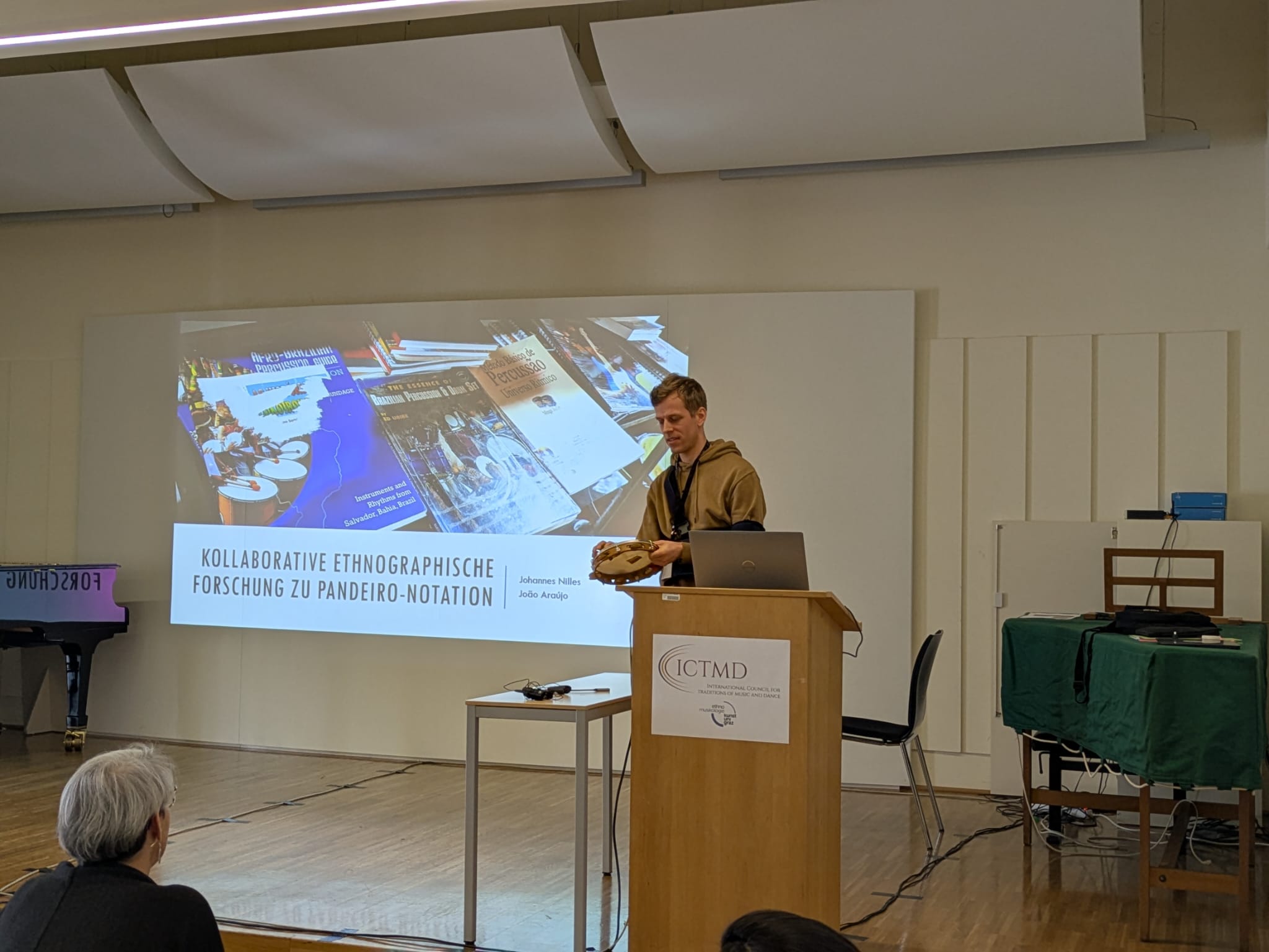
In addition, in October 2025, Nilles presented the research project at the annual conference of the German Musicological Society at the University of Music Weimar.
Our Publications
Nilles, J., & Araújo, J. (2025). Collaborative Ethnographic Research on Music Notation: Methodological Insights from a Pandeiro Project. Ad Marginem, 97, 17–27.
Research Poster
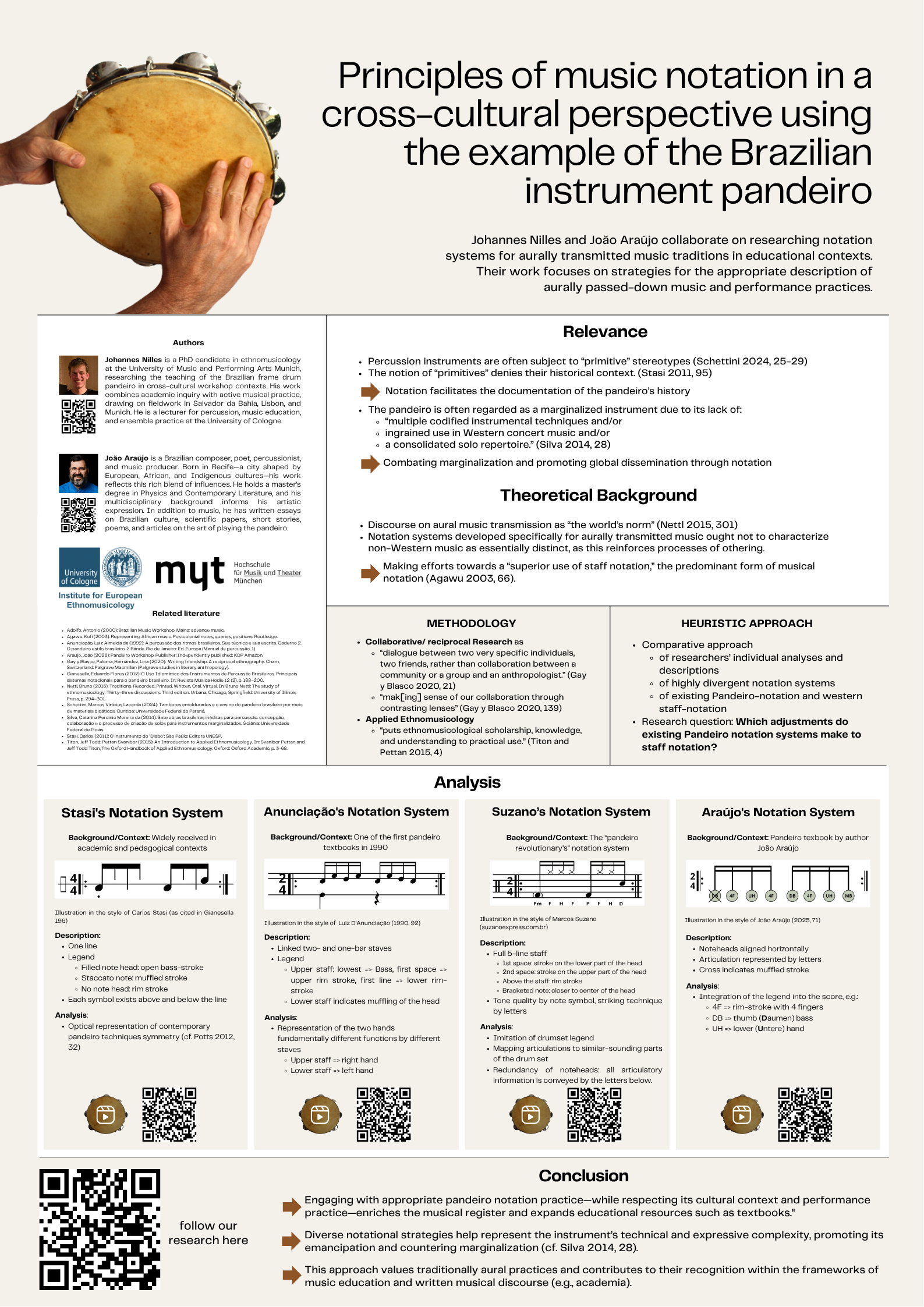 Clique na imagem para visualizar o pôster em tamanho original ↗
List of Notation Systems
Referências bibliográficas, exemplos escritos e demonstrações em vídeo reunidos no projeto.
Abra cada sistema para consultar as figuras originais, a referência e, quando houver, o vídeo correspondente.
01Luiz D'Anunciação NotationReferência · 2 imagens · 1 vídeo
02Carlos Stasi NotationReferência · 2 imagens · 1 vídeo
03Marcos Suzano NotationReferência · 2 imagens · 1 vídeo
04João Araújo NotationReferência · 2 imagens · 1 vídeo
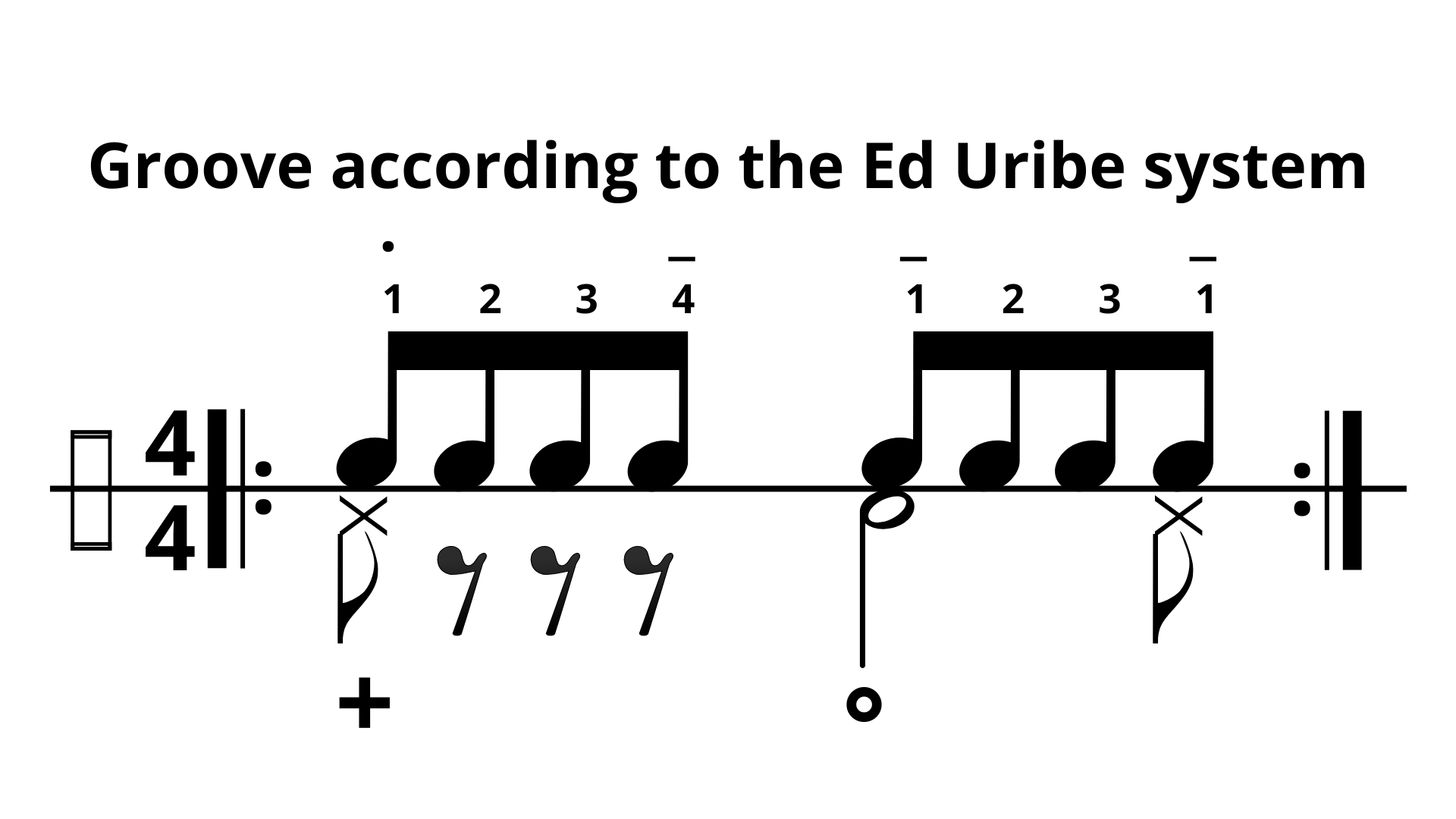
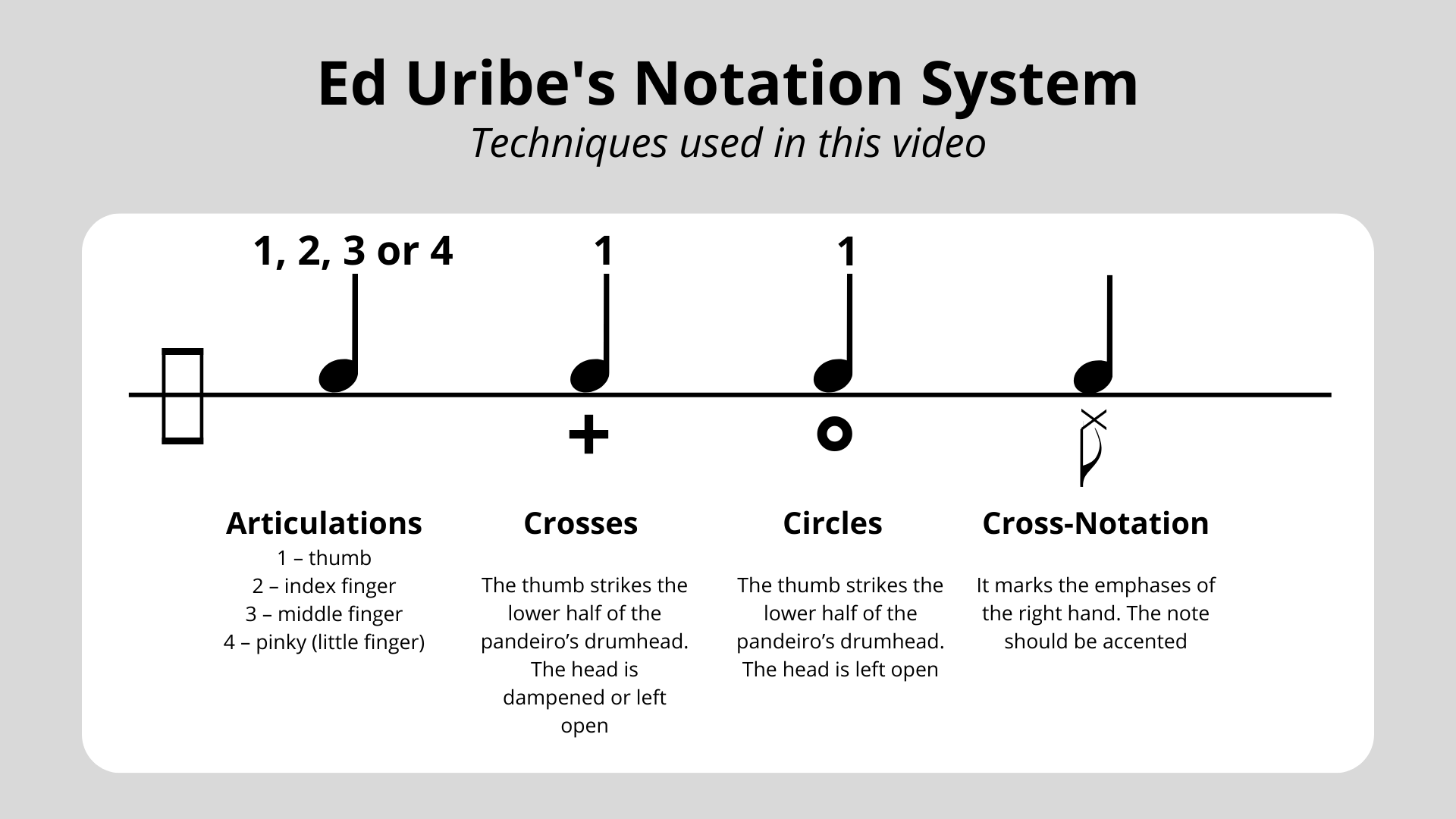
05Ed Uribe NotationReferência · 2 imagens
Related literature
- Adolfo, Antonio (2000): Brazilian Music Workshop. Mainz: advance music.
- Agawu, Kofi (2003): Representing African music. Postcolonial notes, queries, positions: Routledge.
- Anunciação, Luiz Almeida da (1992): A percussão dos ritmos brasileiros. Sue técnica e sua escrita. Caderno 2. O pandeiro estilo brasileiro. 2 Bände. Rio de Janeiro: Ed. Europa (Manual de percussão, 1).
- Araújo, João (2025): Pandeiro Workshop. Publisher: Independently published: KDP Amazon.
- Gay y Blasco, Paloma; Hernández, Liria (2020): Writing friendship. A reciprocal ethnography. Cham, Switzerland: Palgrave Macmillan (Palgrave studies in literary anthropology).
- Gianesella, Eduardo Flores (2012): O Uso Idiomático dos Instrumentos de Percussão Brasileiros. Principais sistemas notacionais para o pandeiro brasileiro. In: Revista Música Hodie 12 (2), p. 188–200.
- Nettl, Bruno (2015): Traditions. Recorded, Printed, Written, Oral, Virtual. In: Bruno Nettl: The study of ethnomusicology. Thirty-three discussions. Third edition. Urbana, Chicago, Springfield: University of Illinois Press, p. 294–301.
- Schettini, Marcos Vinícius Lacerda (2024): Tambores emoldurados e o ensino do pandeiro brasileiro por meio de materiais didáticos. Curitiba: Universidade Federal do Paraná.
- Silva, Catarina Percinio Moreira da (2014): Sete obras brasileiras inéditas para percussão. concepção, colaboração e o processo de criação de solos para instrumentos marginalizados. Goiânia: Universidade Federal de Goiás.
- Stasi, Carlos (2011): O instrumento do "Diabo": São Paulo: Editora UNESP.
- Titon, Jeff Todd; Pettan Svanibor (2015): An Introduction to Applied Ethnomusicology. In: Svanibor Pettan and Jeff Todd Titon, The Oxford Handbook of Applied Ethnomusicology. Oxford: Oxford Academic, p. 3-68.
Authors
Johannes Nilles e João Araújo: dois percursos que se encontram na pesquisa sobre o pandeiro.
Johannes Nilles
Johannes Nilles is a PhD candidate in ethnomusicology at the University of Music and Performing Arts Munich, researching the teaching of the Brazilian frame drum pandeiro in cross-cultural workshop contexts. His work combines academic inquiry with active musical practice, drawing on fieldwork in Salvador da Bahia, Lisbon, and Munich. He is a lecturer for percussion, music education, and ensemble practice at the University of Cologne.
Website: johannesnilles.com

João Araújo
João Araújo is a Brazilian composer, poet, percussionist, and music producer. Born in Recife—a city shaped by European, African, and Indigenous cultures—his work reflects this rich blend of influences. He holds a master’s degree in Physics and Contemporary Literature, and his multidisciplinary background informs his artistic expression. In addition to music, he has written essays on Brazilian culture, scientific papers, short stories, poems, and articles on the art of playing the pandeiro.
Website: poetajoao.com

Contacts
Canais oficiais
YouTube Channel: @PandeiroResearch
Website: poetajoao.com/pandeiro-research